

Wise Choices, Safer Paths
►
►
►
►
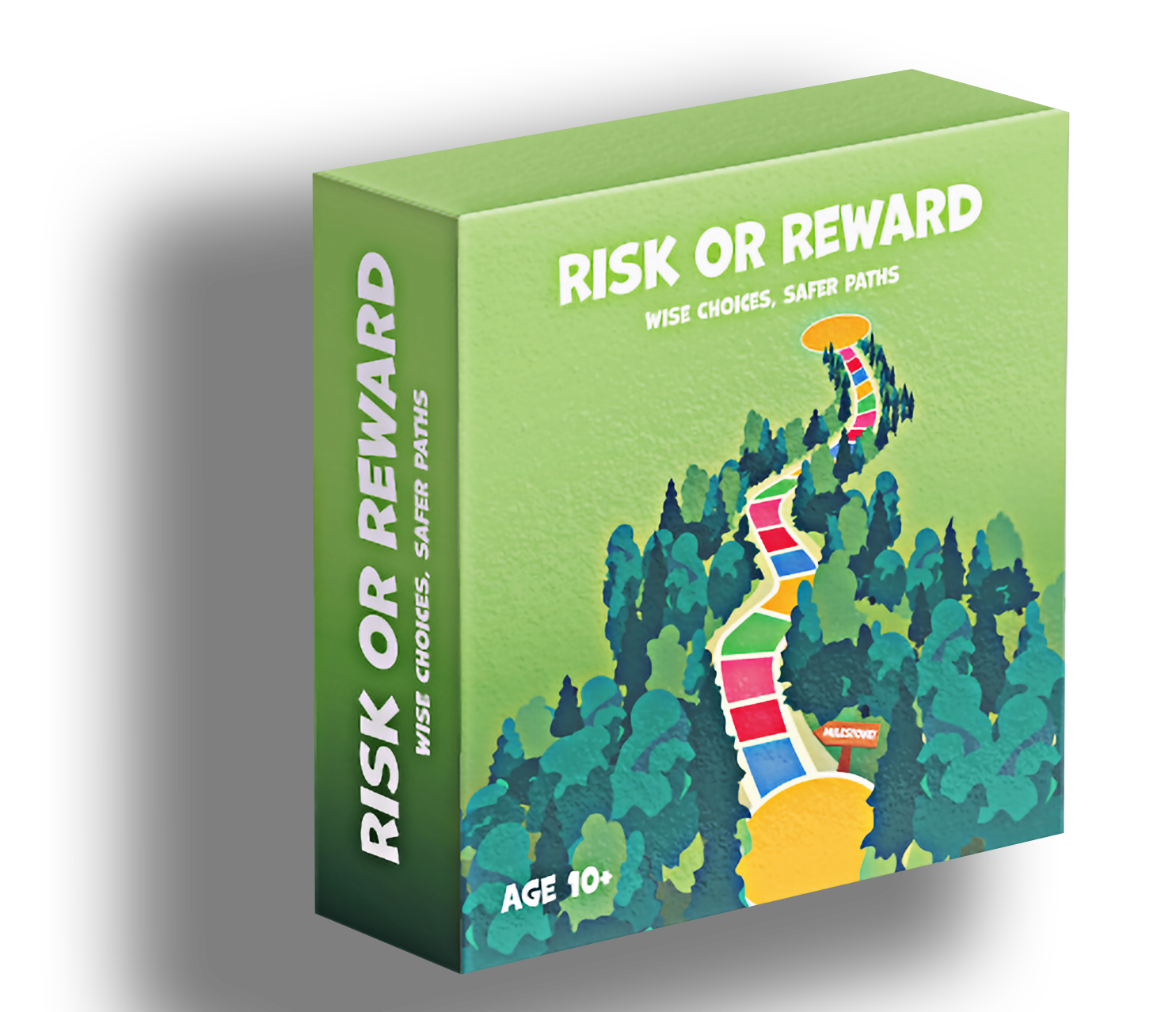

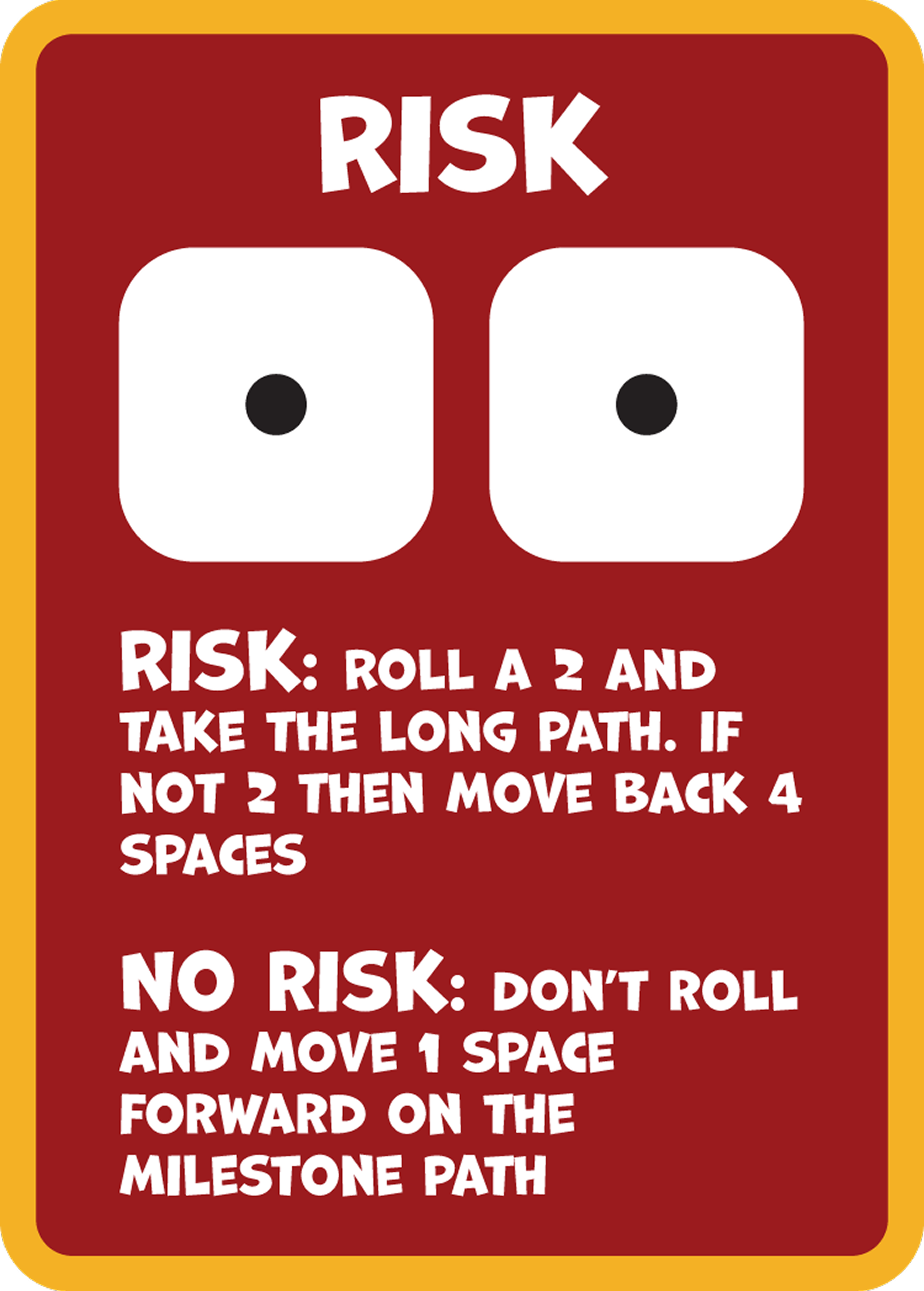
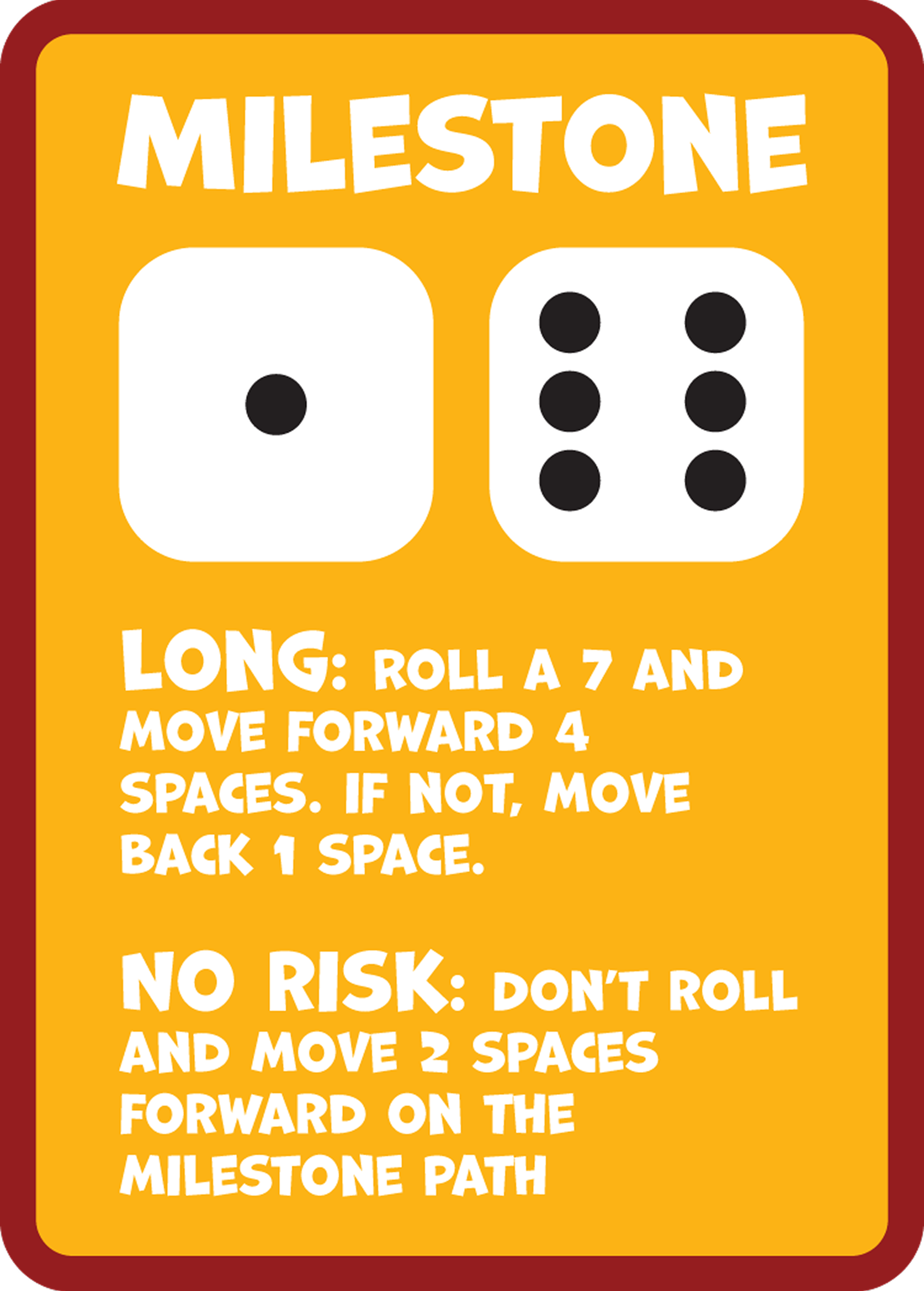
In the early stages of Risk or Reward, I explored how children understand chance, rewards, and consequences. I reviewed studies on youth gambling exposure, analyzed common mechanics in kids’ games, and identified patterns that unintentionally mirror gambling behavior.
Research and Discovery
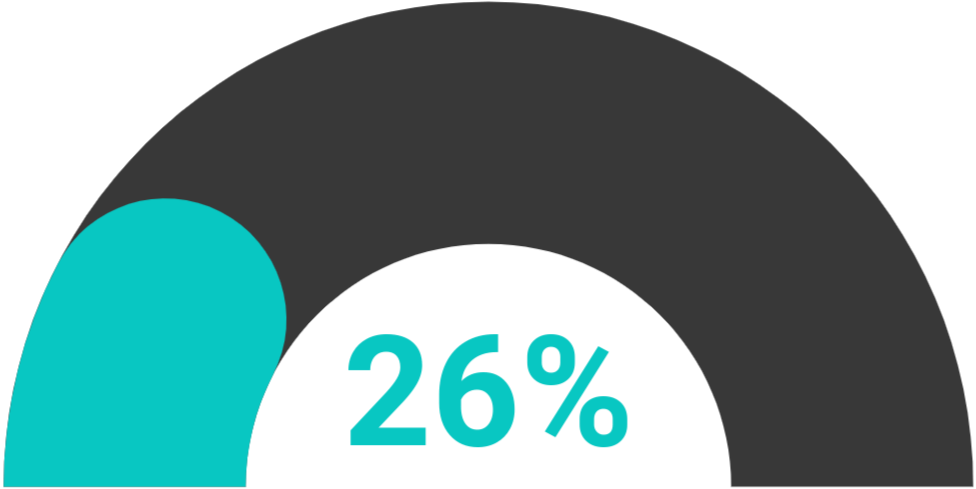
26% of young people between 11 and 17 have gambled within the last year, engaging mostly in accessible forms like arcade gaming and betting with friends.

Easier access to gambling, including online gaming, social media, and sports betting, has become more prevalent and socially normalized.
Many teens report seeing multiple gambling ads weekly, which further normalizes the activity and encourages experimentation with betting
CHILDREN GAMBLING
EASY ACCESS

TARGETED ADS
I sketched a few ideas for what the game board might look like, as shown in Figure 1, drawing inspiration from existing game boards like the Game of Life and Candy Land. I also sketched out ideas for the game pieces, such as a star (aspiring), a backpack (learning), a piggybank (saving), and a heart (relationship/love); that would all represent lifes goals and choices, as shown in Figure 2.
Ideation and Sketching
Figure 1 (Sketches)
Figure 2 (Characters Sketches)
Design and Branding
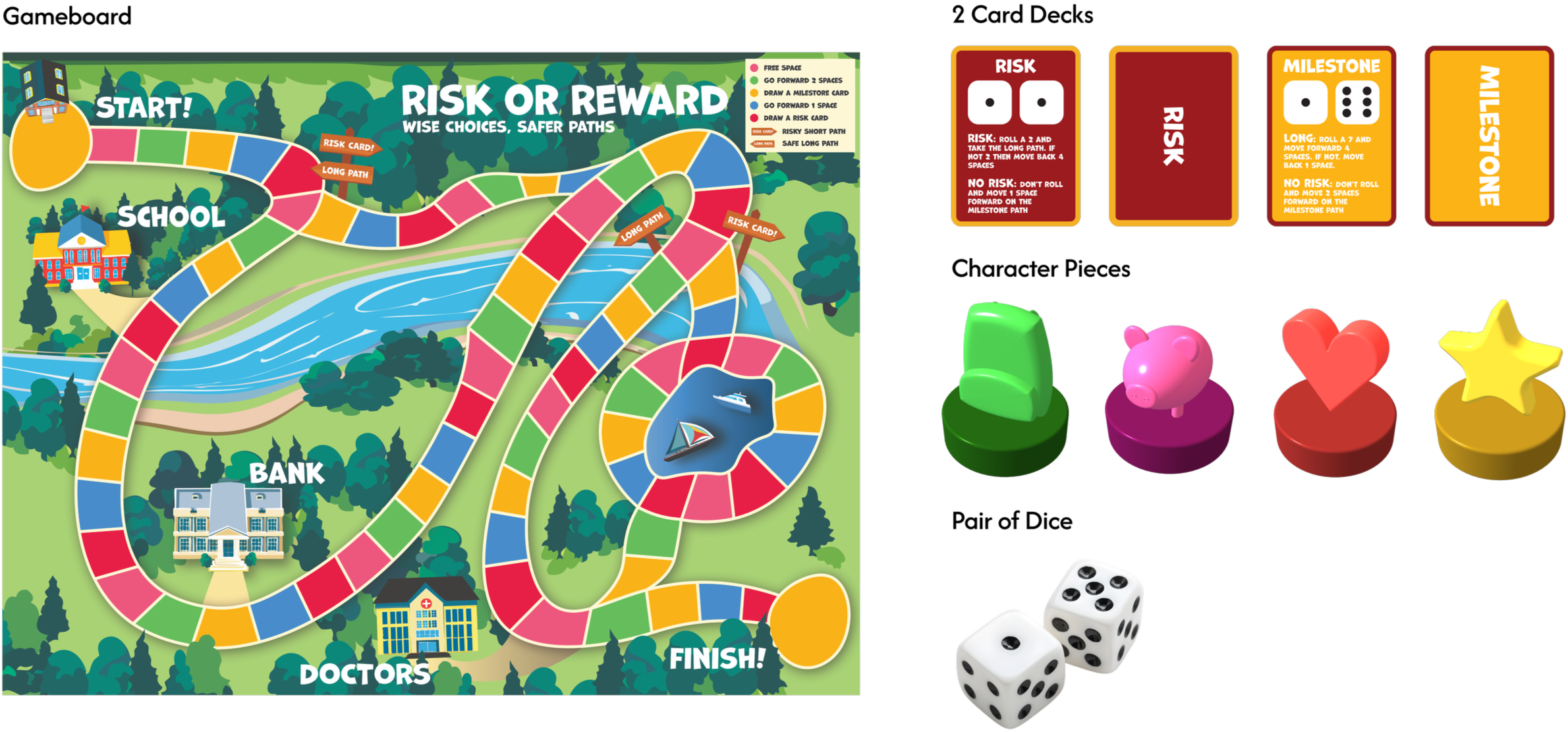
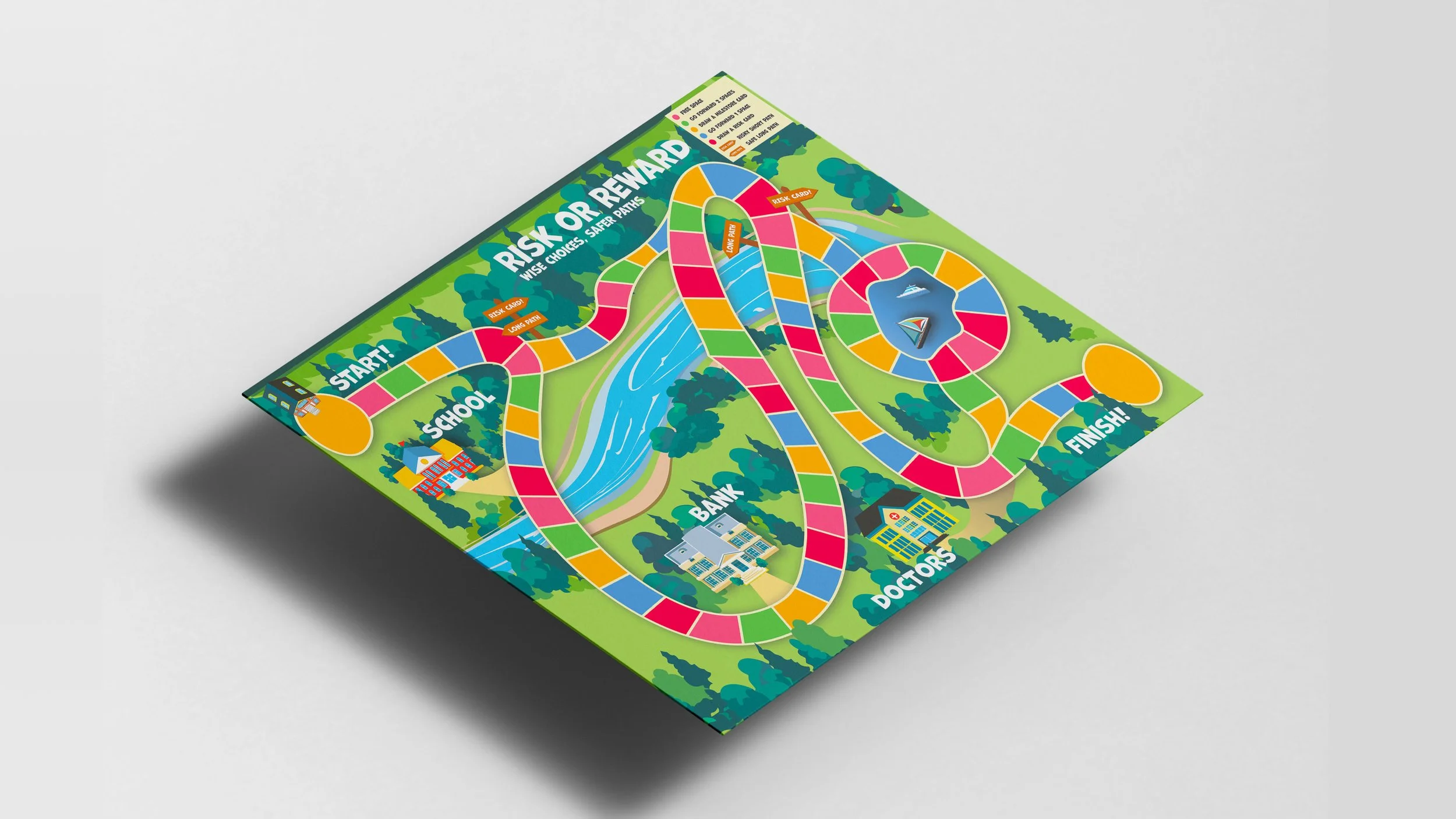
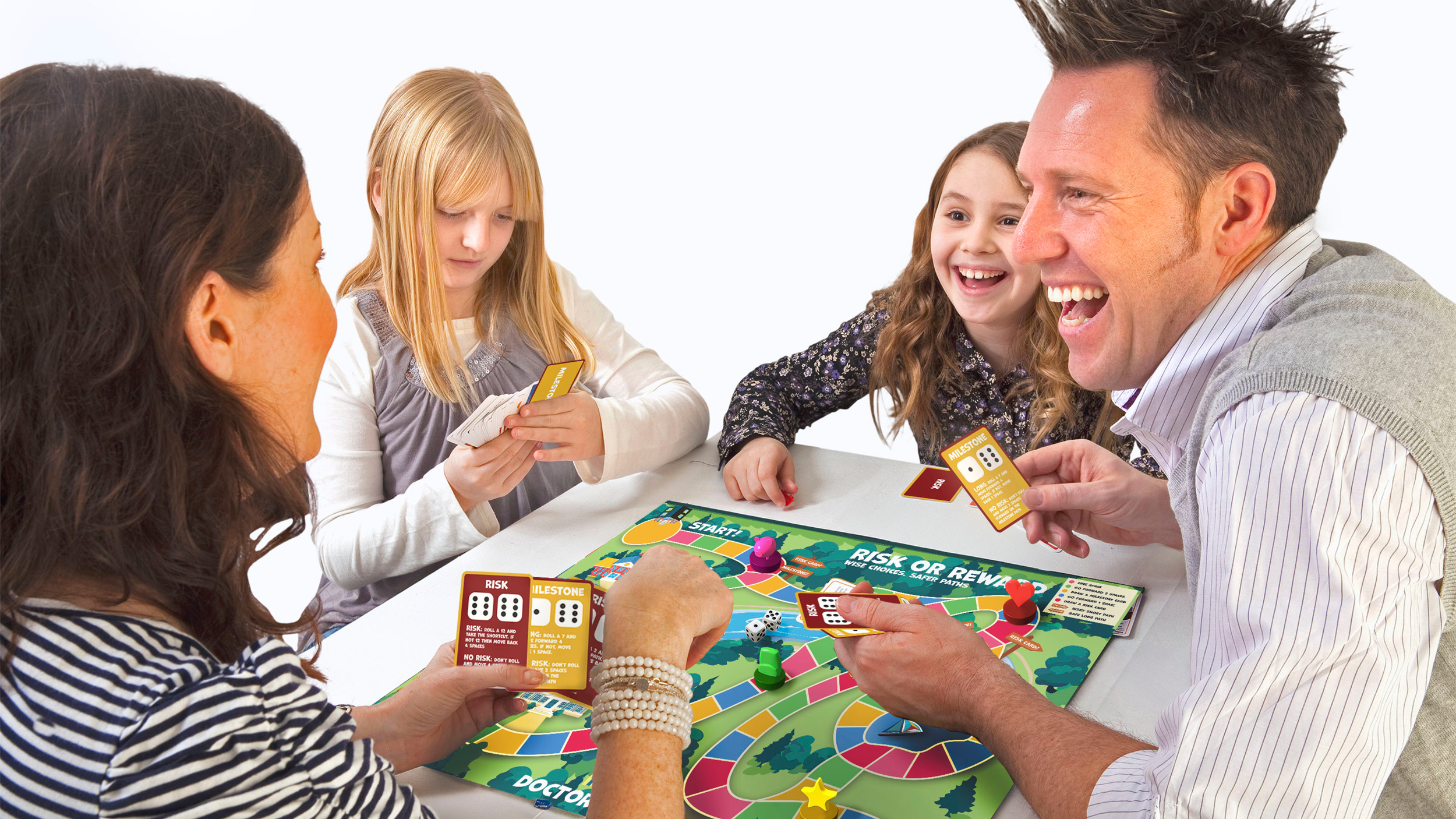
In the final stages of the design, I made sure to have the board be unique, appealing to a younger audience, along with being informative and educational. The rules of the game are made simple so that children are able to understand easily. Those rules consist of rolling a pair of dice, moving your character on the path to the number, and picking a “risk” or “reward” card based on where you land.
A vibrant color palette is used to engage with a younger audience. Children love bright colors and are more likely to play with a game that wants to play with them.
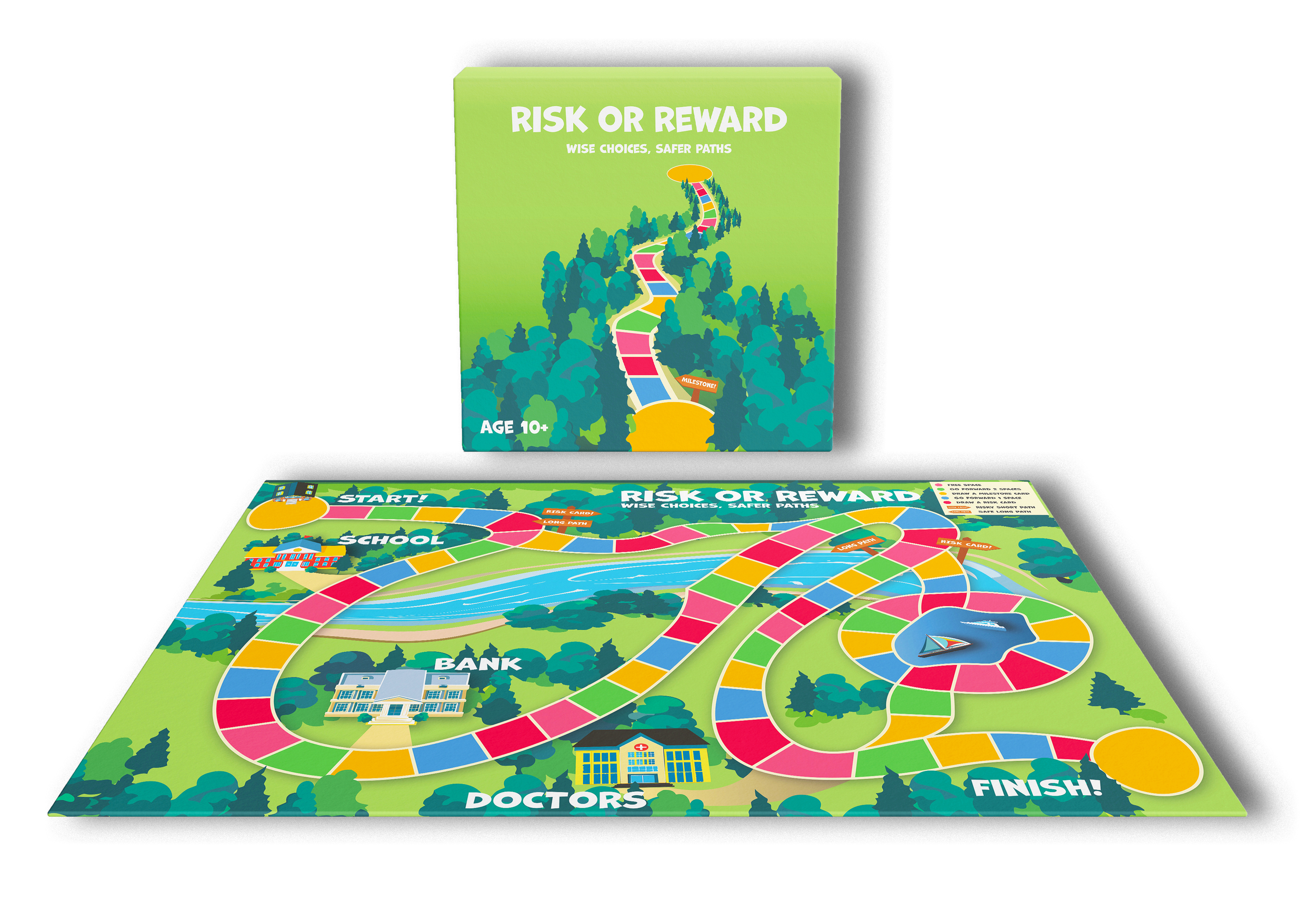
Typography supports brand tone by being approachable, fun, and functional. Its purpose is to keep things exciting while staying informative about multiple aspects of the game.


Prototyping and Testing
Prototyping this project was made with Spline 3D, a Figma plugin that allowed me to create a functional mockup of the board in play. This will enable me to demonstrate how the game works by providing an animated visual to users; however, the interactive prototype is still in development!
Conclusion and Key Takeaways
This project taught me how to design with intention and empathy while creating an experience that raises awareness about an issue I care deeply about. Through this process, I learned to simplify complex topics for younger audiences, build engaging educational interactions, and use visual design to support real-world learning. Ultimately, Risk or Reward strengthened my ability to design purposefully and communicate important ideas through play.
Translating research into interactive learning
Addressing sensitive topics through approachable visuals
Crafting a meaningful, mission-driven user experience
Designing educational tools that simplify complex topics
Creating engaging, age-appropriate interactions
Designing with clarity and intention